FIRE SUPPRESSION SYSTEMS
Installation & Maintenance of Fire Suppression Systems
Fire Suppression Systems
What is a Fire Suppression System?
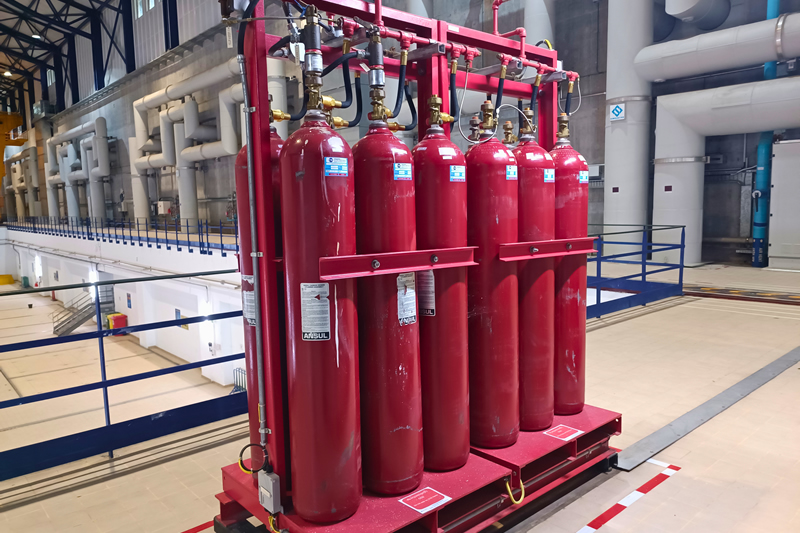
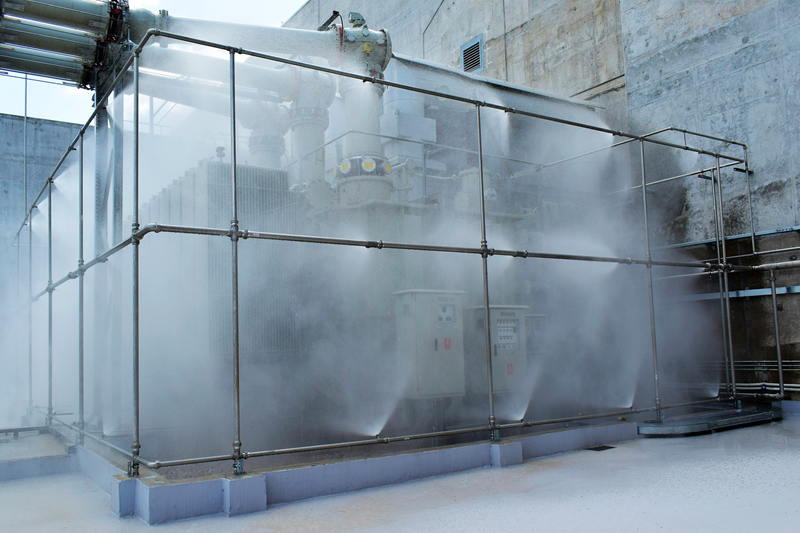
A fire suppression system is designed to control, suppress or extinguish a fire using an appropriate extinguishing agent. Depending on the design, the system may activate automatically or through a manual release arrangement.
In an automatically operated system, suitable fire detection equipment can send a signal to the suppression control panel, which initiates the appropriate warning and release sequence. The exact operation depends on the system and its safety requirements.
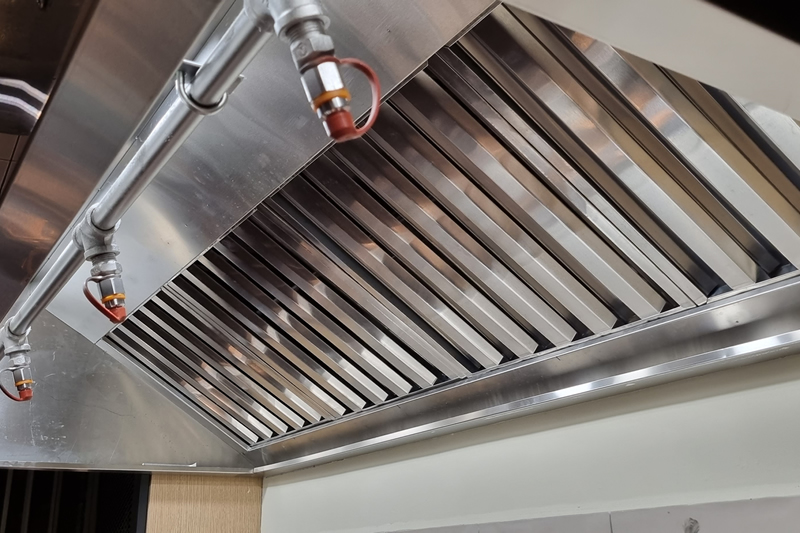
Fire suppression systems are used across a wide range of commercial environments, including restaurants, bakeries, offices and food manufacturing facilities.
Why Have a Fire Suppression System Installed?
A commercial fire suppression system can provide targeted protection for areas where a fire could cause significant damage, disrupt business operations or put people at risk.
Businesses may consider installing a fire suppression system for several reasons:
- Insurance requirements – An insurer may specify additional fire protection for particular premises, equipment or activities.
- Identified fire risks – A fire risk assessment may highlight hazards requiring specialist protection.
- Automatic protection – Some systems can detect and respond to a fire without relying on a member of staff to operate an extinguisher.
- Protection of valuable assets – Helping protect critical machinery, IT equipment, commercial kitchens and other important business assets.
- Business continuity – Helping limit fire damage and the potential disruption caused by an incident.
Choosing the correct fire suppression system can be complex, as different environments require different methods of protection. SS Systems can assess your requirements and recommend suitable options for your premises.
Essential Points to Consider When Choosing a Fire Suppression System
Selecting the right fire suppression system involves understanding the risks associated with your premises, the equipment being protected and the practical requirements of the installation.
Important considerations include:
- Occupancy: Is the protected area regularly occupied, or is it often left unattended?
- Fire detection: What type of detection and activation arrangement is appropriate for the specific fire hazard?
- Fire spread: Could a fire spread beyond the protected equipment or area?
- Business interruption: What would a fire mean for production, equipment replacement costs and operational downtime?
- System integration: Will the suppression system need to interface with fire alarms, ventilation, machinery or other building services?
- Environmental considerations: Does your organisation have sustainability requirements that could influence the choice of extinguishing agent?
- Post-discharge recovery: Will cleaning, ventilation, inspection or other recovery procedures be required after the system activates?
- Agent availability: How quickly can the extinguishing agent be replenished and the system returned to service following a discharge?
- Agent suitability: Which extinguishing method is appropriate for the hazard, and could the agent affect sensitive equipment or materials?
- Room integrity: For gaseous suppression systems, can the protected enclosure retain the required agent concentration?
- Occupant safety: What warnings, evacuation procedures and safety controls are required before and during activation?
Considering these factors early in the process can help identify a suitable fire suppression solution and avoid unnecessary disruption or additional costs during installation.
Frequently Asked Questions For Commercial Fire Suppression Systems
Advice When Considering Commercial Fire Suppression Systems for Your Business
Bonus Tip: Review your suppression system whenever significant changes are made to the protected area, equipment, building layout or business operations. These changes may affect the system’s suitability and could require a design review or modifications. Continue with the inspection and servicing schedule recommended for your particular installation.
SS Systems Invests In Ladder Safety Training To Strengthen Workplace Safety & Specialist Roof Inspection Services
SS Systems has reinforced its commitment to workplace safety and professional development by arranging comprehensive ladder safety training for the majority of its engineers and apprentices. The initiative forms part of the company’s ongoing investment in its workforce, ensuring staff have the knowledge, skills and confidence to operate safely when working at height.
Commercial Property & Business Premises Fires & Incidents Summary For 2025
Here is list of notable fire incidents at commercial / industrial properties across the UK over roughly the past 6 – 9 months. It shows when and where they occurred — plus a short summary of what happened Our team aims to deliver expert customer care, from site survey to completion through to ongoing maintenance.
Beth Our Small Works Team Leader Is Going On Maternity Leave To Have A Baby Girl
Beth has been in the office today for some gifts and to see the team before baby comes. Beth leads our small works team. As Beth begins her maternity leave, we would like to take this opportunity to wish her and her family all the very best as they prepare to welcome their baby girl.
OUR PARTNERS
SS Systems partner with leading UK based manufacturers to ensure that the fire detection and alarm systems we provide are at the forefront of current technology, along with being the most reliable our industry has to offer.


Externally Monitored to Ensure that we meet a High Standard of Service.
As members of the SSAIB (Security Systems and Alarms Inspection Board), We maintain service records and monitor our success. The SSAIB, is a leading certification body for organisations providing security systems and services, fire detection alarm systems, and monitoring services. So, you can be confident that we strive to provide our clients with a reliable and professional level of service.