Fire Alarm Systems2026-10-14T09:39:55+00:00

FIRE ALARM SYSTEMS

COMMERCIAL FIRE ALARM SYSTEMS

Installation & Maintenance of Commercial Fire Alarm Systems

CHOOSING THE RIGHT FIRE ALARM SYSTEM

It is essential when choosing a fire alarm system, that the type of system is one that is suited to protecting the safety of your people and property. We understand that when it comes to fire protection, there is no one solution that fits all.

Our experienced project team continually develops our system designs using the latest technological advancements to suit your specific fire risk in accordance with current legislative and British Standard requirements.

We are 3rd party accredited by BAFE, SSAIB, and ISO registered, with over 25 years experience installing and maintaining fire alarm systems across the UK for Commercial business, heritage buildings, schools, local councils and national accounts. You can be assured of excellent technical support and advice, whether you need a brand-new install, upgrade to your existing system or a reliable ongoing maintenance contract.

Enquiry

Fire Alarm Systems Maintenance

A commercial maintenance contract is required by law and your insurance provider, and must be carried out by an approved company to comply with British Standards regulations. BS 5839-1:2017 recommends systems are checked bi-annually as a minimum. SS Systems is a third-party accredited company which allows us to maintain all systems installed by ourselves and other companies. Our engineers are fully trained and qualified to meet current legislation and are supported by our in-house service manager and team of service coordinators, to ensure you receive a high level of service and standard of work.

What to expect from our maintenance package

  • 24 hour call out facility, 365 days a year
  • Fully qualified engineers
  • Full compliance with current legislation
  • Maintenance visits arranged at your convenience
  • Full visit report and recommendations
  • System modifications
  • Dedicated service manager

What a maintenance visit includes

  • Systems list check
  • Log book check
  • Field device check
  • Aspirator filter change
  • Battery check
  • Alarm load testing
  • Decibel level check
  • Remote alarm monitoring test (If connected)

The engineer’s notes and checklists are sent back to the SS Systems maintenance team. Our engineering manager will check through the notes and make any remedial action recommendations which admin will process and liaise with yourselves. Each service report constitutes an annual service certificate which the client then keeps in the fire records.
Fire Extinguishers

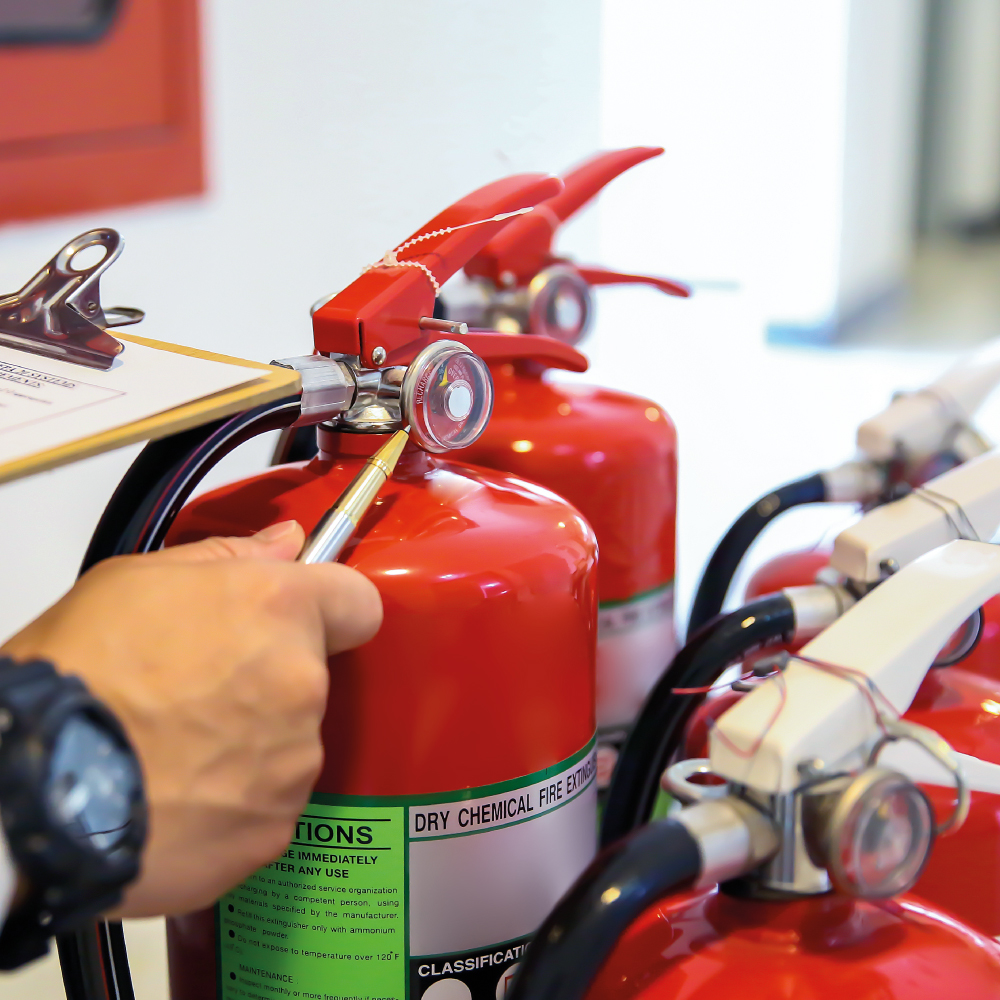
You are legally responsible to ensure there are enough fire extinguishers on your premises.

In addition to ensuring that you comply with the laws relevant to your industry and the size of your site. A risk assessment will provide how many fire extinguishers and ancillary products are required to protect your site.
Fire Safety Training

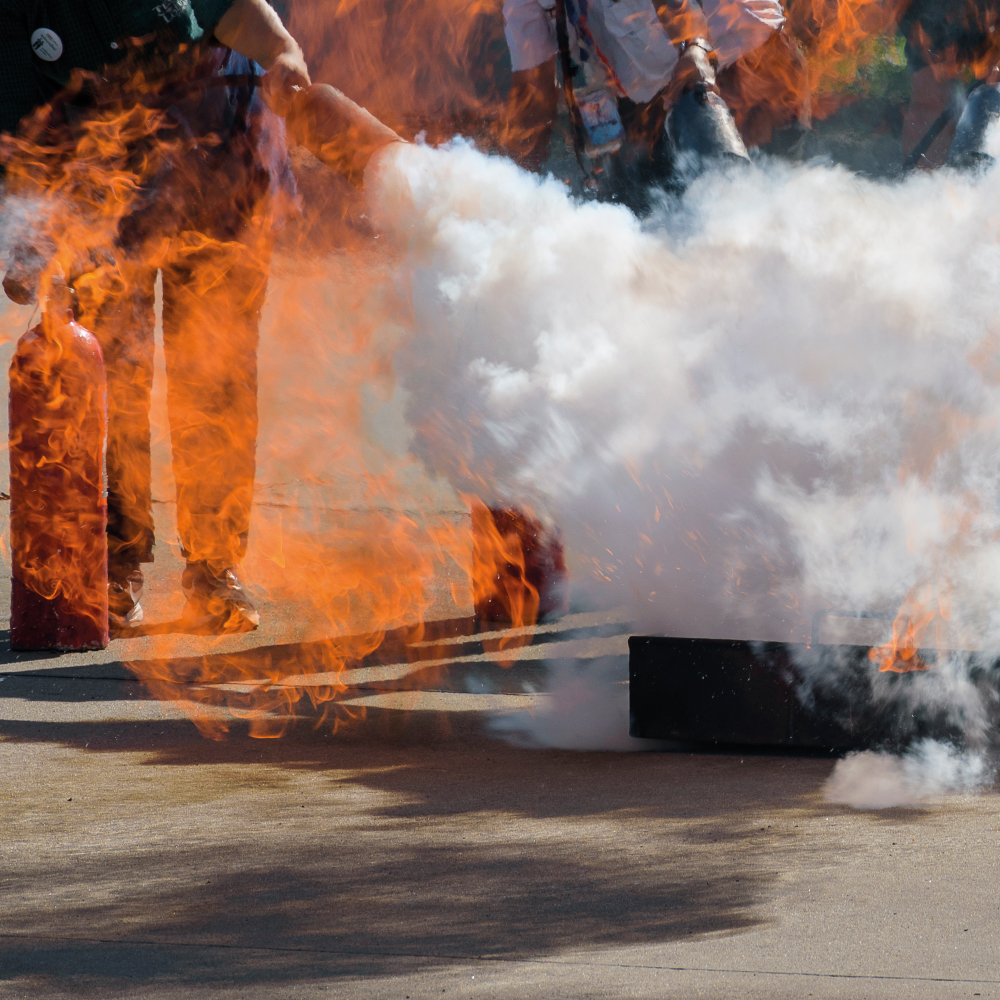
Fire safety is a fundamental part of any business and training is the corner stone of implementing any fire safety policy.

Legislation via the Regulatory Reform (Fire Safety) Order 2005 requires employers to provide training for all employees in actions to be taken in the event of a fire.
 

Emergency lighting

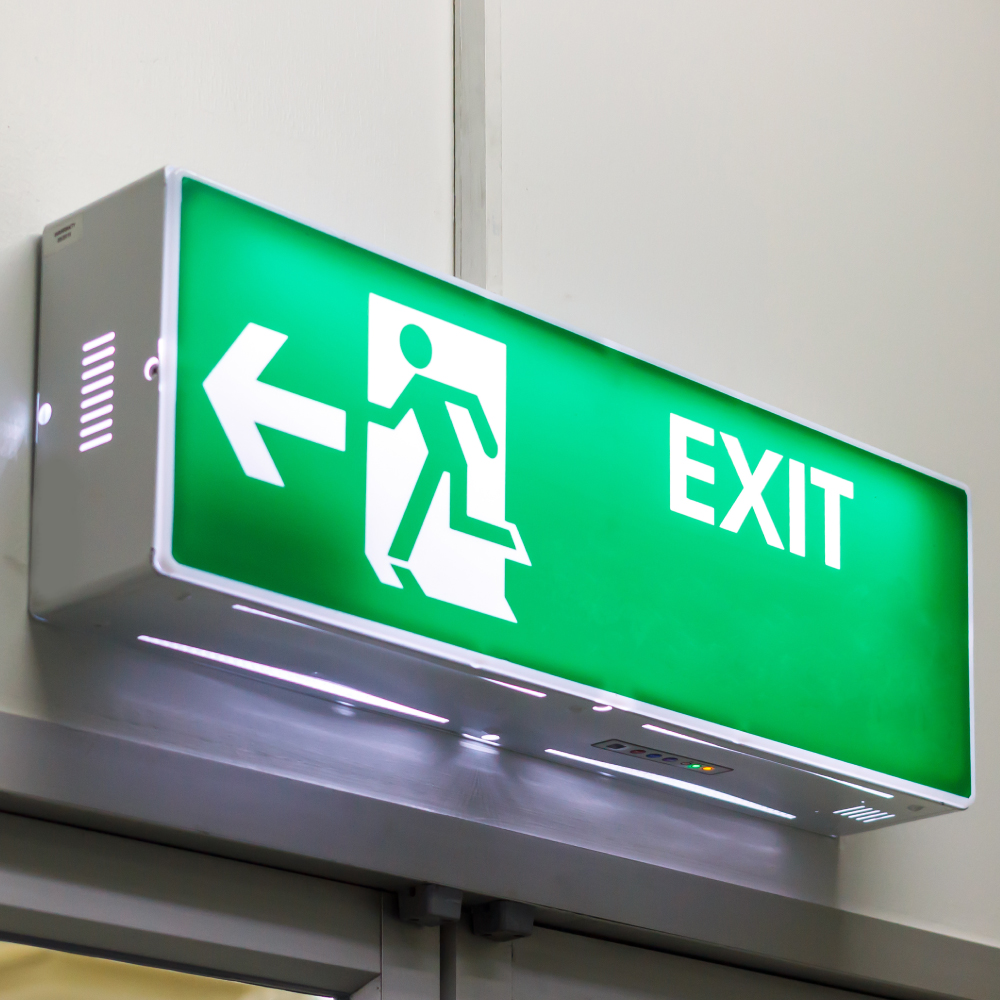
Emergency lighting is part of a building’s fire safety provision and is a requirement of The Regulatory Reform Order of 2005.

In the event of the mains power lighting failing or a power cut, emergency lighting can save lives by aiding in the safe evacuation of people within the building.

Fire Alarm Monitoring

Our Monitored Fire Alarm Systems offer you protection 24 hours a day, 365 days a year for complete peace of mind.

Your Fire Alarms System is monitored at a central station for a fast response to your key holder and the local fire and rescue services.
Aspirating Systems

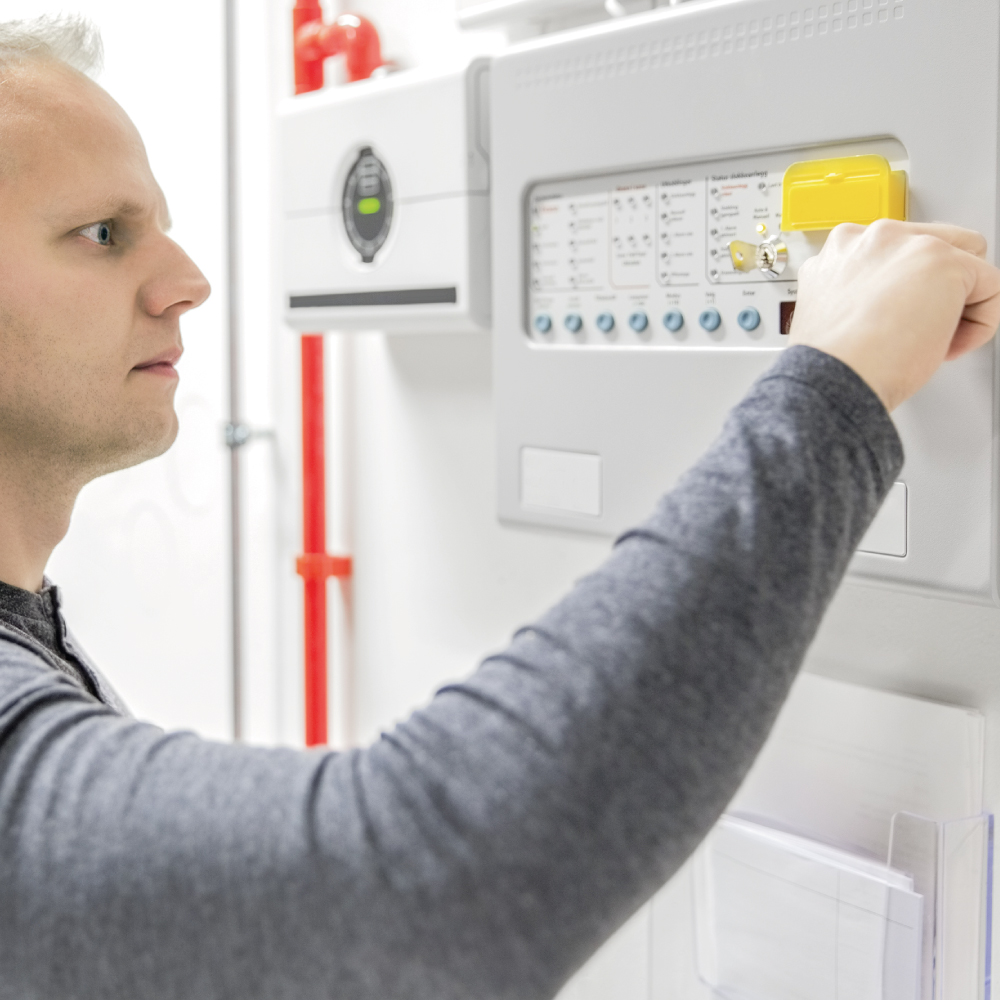
An aspiration detection system (ADS) is a highly sensitive form of fire detection that can detect a fire at an early stage. The system takes samples of the air and tests them for the presence of smoke.

The air is drawn by a pump from the various test points.
Fire Suppression

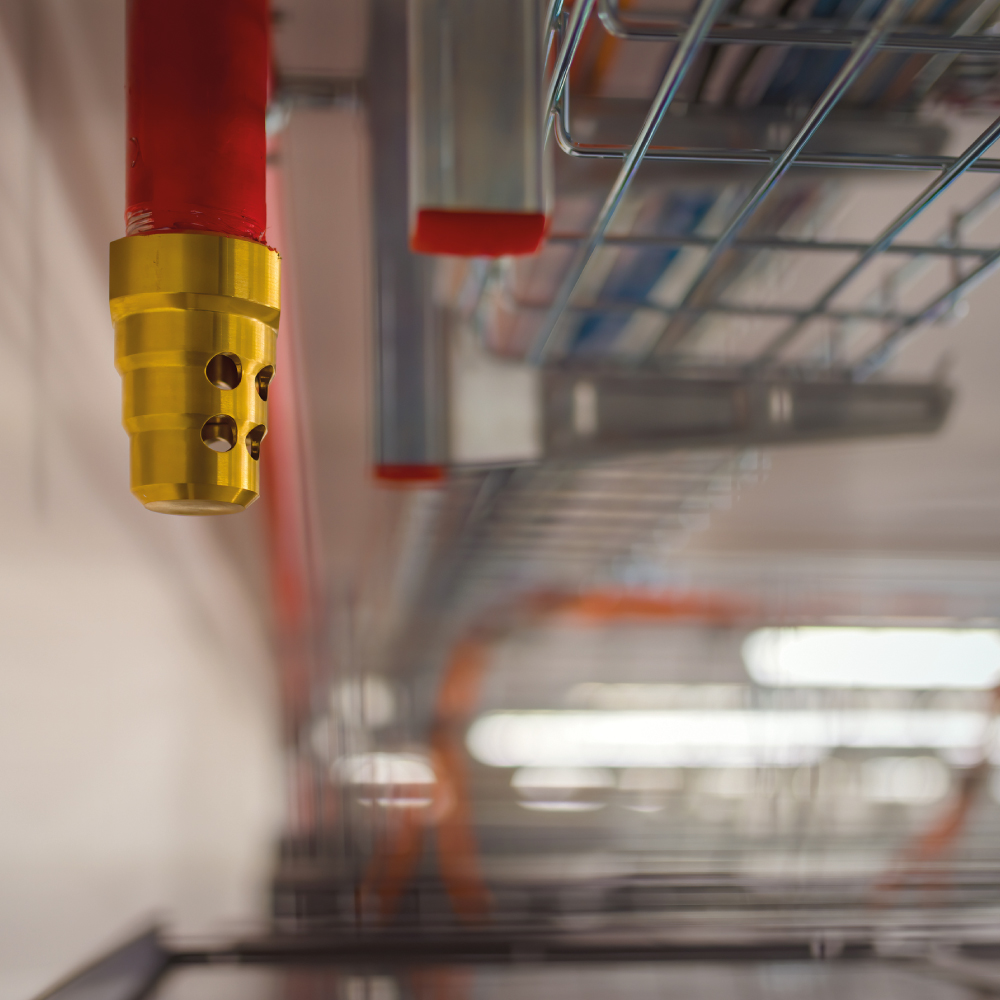
Fire suppression systems are used as a safer and more advanced alternative to typical fire extinguishers, sprinkler systems and water mist systems. These systems not only prioritise occupant safety, but also protect your property and assets in the event of a fire.

Frequently Asked Questions About Commercial Fire Alarm Systems

SS Systems designs, installs, upgrades and maintains commercial fire alarm systems for a wide range of buildings and organisations.

Our solutions include:

  • Conventional fire alarm systems: Divide a building into detection zones and identify the zone where an alarm originates.
  • Addressable fire alarm systems: Identify individual detectors, manual call points and other devices to help staff locate alarm events more precisely.
  • Wireless fire alarm systems: Use radio communication between compatible devices to reduce the need for extensive cabling.
  • Hybrid fire alarm systems: Combine wired and wireless technology where the design and equipment support this arrangement.

Our team assesses the building’s layout, use, occupancy and fire safety requirements before recommending a suitable system.

SS Systems supports commercial properties, educational premises, heritage buildings, public-sector organisations and other non-domestic environments.

The right fire alarm system depends on your building’s fire risks, layout, occupancy and evacuation strategy.

A competent designer should consider:

  • The findings of your fire risk assessment
  • The building’s size, layout and number of floors
  • How people use the premises
  • The number and location of occupants
  • The required detection and alarm coverage
  • Potential sources of unwanted alarms
  • Connections to other fire safety or building systems
  • Future expansion and maintenance requirements

SS Systems offers site surveys and bespoke fire alarm system design to help customers choose equipment that suits their premises.

A smaller building may suit a conventional system, while a larger or more complex site may benefit from addressable technology. Wireless systems can offer practical advantages where cabling would cause significant disruption.

The fire safety strategy and system design should determine the final choice rather than price or building size alone.

Conventional and addressable fire alarm systems both provide fire detection and warning, but they identify alarm locations differently.

  • Conventional systems: Group detectors and manual call points into zones. The control panel identifies the affected zone rather than the exact device.
  • Addressable systems: Assign an individual address to each compatible device. The control panel can identify which detector or call point triggered an event.

Addressable systems can help building staff and engineers investigate events more efficiently, particularly across larger premises.

Conventional systems may provide a suitable and economical solution for smaller, straightforward buildings.

Both technologies require appropriate design, installation, testing and maintenance.

SS Systems can assess your premises and recommend the most appropriate option for your fire safety requirements.

Yes. Wireless fire alarm systems can provide a suitable solution for many commercial premises when competent designers select appropriate equipment and confirm reliable radio communication.

Wireless technology can offer particular advantages in:

  • Listed and heritage buildings
  • Occupied offices and commercial premises
  • Schools and educational buildings
  • Properties where extensive cabling would cause disruption
  • Buildings with difficult installation routes
  • Temporary or changing layouts, where the system design permits

Wireless systems still need suitable detector positioning, dependable communication, battery monitoring and regular maintenance.

The designer should assess signal coverage, interference risks and the requirements of BS 5839-1:2025 and applicable equipment standards.

SS Systems offers wireless fire alarm solutions alongside conventional and addressable systems.

BS 5839-1:2025 provides the principal British Standard code of practice for the design, installation, commissioning and maintenance of fire detection and fire alarm systems in non-domestic premises.

It covers important considerations such as:

  • System categories and the intended level of protection
  • Detector and manual call point positioning
  • Alarm warning arrangements
  • Control and indicating equipment
  • Power supplies and fault monitoring
  • Commissioning, documentation and handover
  • Routine testing, inspection and maintenance

Other standards may apply to particular equipment or specialist arrangements.

In England and Wales, the Regulatory Reform (Fire Safety) Order 2005 also establishes relevant fire safety duties for responsible persons.

British Standards provide technical recommendations; meeting a standard does not automatically satisfy every legal requirement for a particular building.

SS Systems designs and maintains commercial fire alarm systems with reference to the relevant British Standards and fire safety requirements.

Commercial fire alarm systems need regular user testing and professional servicing to help maintain reliable operation.

For typical non-domestic systems, BS 5839-1:2025 recommends:

  • Weekly user testing: Operate a suitable manual call point in accordance with the site’s testing procedure, normally rotating the call point used.
  • Periodic professional servicing: Arrange inspection and servicing by a competent person at intervals not exceeding six months.
  • Additional attention: Investigate faults, unwanted alarms and significant system changes without waiting for the next scheduled visit.

The building’s risk assessment, system design and specific operating conditions may justify additional checks.

SS Systems offers planned fire alarm maintenance for systems that we install and suitable existing systems from other providers.

Keep records of user tests, servicing, faults and corrective work in your fire alarm logbook or an appropriate digital system.

Yes. SS Systems provides maintenance, repair and upgrade services for suitable commercial fire alarm systems, including equipment that another company originally installed.

Our team can assess the existing installation and discuss options such as:

  • Planned inspection and servicing
  • Fault investigation and repairs
  • Replacement of damaged or obsolete devices
  • Control panel upgrades
  • Additional detection and alarm coverage
  • System extensions following building alterations
  • Review of compatible monitoring and integration options

Before recommending an upgrade, an engineer should assess equipment compatibility, the system’s condition and the requirements of the current fire safety strategy.

Some older installations may require more extensive replacement if suitable parts or compatible equipment are unavailable.

SS Systems can discuss a maintenance takeover or upgrade following an assessment of your premises.

Yes. Many commercial fire alarm systems can communicate with compatible fire safety, access control and building management equipment.

Depending on the approved design, potential connections include:

  • Access control: Release relevant electrically controlled doors when the fire strategy requires it.
  • Automatic opening vents: Trigger appropriate smoke ventilation functions through the agreed cause-and-effect arrangements.
  • Smoke control systems: Initiate relevant controls and status functions.
  • Voice alarm systems: Coordinate warning messages and evacuation procedures.
  • Lifts: Initiate suitable recall or other functions where the building design requires them.
  • Remote monitoring: Transmit appropriate alarm or fault signals through compatible monitoring equipment.

Competent designers should specify each interface and document how the connected systems must respond.

Engineers must test the relevant cause-and-effect functions during commissioning and subsequent maintenance.

SS Systems provides fire alarm and access control services and can discuss suitable integration arrangements for your premises.

Yes. A suitable commercial fire alarm system can connect to an alarm receiving centre through compatible signalling equipment and an appropriate monitoring agreement.

This arrangement can help authorised monitoring staff receive alarm signals when your premises have no on-site personnel.

Before arranging monitoring, confirm:

  • The fire alarm panel’s compatibility with the signalling equipment
  • The available communication paths
  • Which alarm and fault signals the service will receive
  • The monitoring provider’s response procedures
  • Keyholder contact details and escalation arrangements
  • Any requirements from your fire safety strategy or insurer

Monitoring does not guarantee an automatic fire and rescue service response. The monitoring provider and local fire and rescue service may apply specific procedures.

SS Systems can discuss remote fire alarm monitoring options and suitable arrangements for your premises.

Contact SS Systems to discuss a new commercial fire alarm system, an upgrade to an existing installation or a planned maintenance contract.

Our team can arrange a site survey and review your building’s layout, fire safety requirements and existing equipment.

We can then discuss suitable system options, installation arrangements and ongoing support.

SS Systems offers:

  • Bespoke commercial fire alarm design
  • Conventional, addressable and wireless systems
  • New installations and system upgrades
  • Commissioning and handover
  • Planned preventative maintenance
  • Fault investigation and repair support
  • Relevant fire alarm integration and monitoring options

Call 03300 417 170, email sales@sssystems.co.uk or visit our Contact Us page to discuss your requirements.

Advice When Choosing and Maintaining Commercial Fire Alarm Systems

Before selecting a commercial fire alarm system, review your fire risk assessment and the evacuation strategy for your premises.

These documents help establish the level of fire detection and warning that your building needs.

Consider:

  • The building’s size, layout and occupancy
  • The activities and fire hazards within the premises
  • People who may need assistance during evacuation
  • The required fire alarm system category
  • Escape routes and areas requiring detection
  • Whether occupants need phased or simultaneous evacuation
  • Connections to other fire safety systems

Discuss these findings with a competent fire alarm designer before approving a system proposal.

SS Systems offers site surveys and bespoke commercial fire alarm design to help customers select solutions appropriate to their buildings.

Do not assume that a system suitable for one commercial property will meet the needs of another.

Understand the advantages and limitations of different fire alarm technologies before deciding which system suits your premises.

Consider the following options:

  • Conventional systems: Provide zone-based alarm identification and may suit smaller, straightforward buildings.
  • Addressable systems: Identify individual compatible devices and can simplify event investigation across larger or more complex premises.
  • Wireless systems: Reduce cabling requirements and can help minimise disruption in occupied or heritage buildings.
  • Hybrid systems: Combine wired and wireless components where the equipment and system design support the arrangement.

Ask your provider to explain how each option affects installation, ongoing maintenance, future expansion and fault identification.

Review the full system requirements rather than choosing solely on initial installation cost.

SS Systems can assess your building and recommend suitable conventional, addressable or wireless fire alarm technology.

Choose a provider that understands the technical requirements for commercial fire detection and alarm systems.

BS 5839-1:2025 provides recommendations for the design, installation, commissioning and maintenance of fire alarm systems in non-domestic premises.

Before appointing a contractor, ask about:

  • Experience with buildings similar to yours
  • Relevant training and technical competence
  • Knowledge of BS 5839-1:2025
  • Third-party certification and the activities it covers
  • Design responsibility and system specifications
  • Commissioning and handover procedures
  • Maintenance and fault support arrangements

SS Systems advertises BAFE registration and SSAIB certification, alongside wider industry accreditations.

Check the current scope of any certification when assessing a provider. Certification supports confidence in relevant processes but does not remove the need to review the suitability of the proposed system.

Make sure the fire alarm design provides appropriate detection and warning throughout the areas that require protection.

Detector selection and positioning depend on the environment, fire risks and required system category.

Ask your designer to consider:

  • Smoke detectors: Suitable locations where smoke detection provides an appropriate response.
  • Heat detectors: Areas where environmental conditions may make smoke detection unsuitable.
  • Manual call points: Appropriate positions along escape routes and at relevant exits.
  • Alarm sounders: Suitable warning levels throughout the protected areas.
  • Visual alarm devices: Additional warning arrangements where the building’s needs justify them.
  • Specialist detection: Appropriate technology for high ceilings, difficult environments or particular hazards.

Consider background noise, room use, ceiling height and any environmental conditions that could affect detection.

Ask the designer to explain how the system supports the building’s evacuation strategy.

Do not add or relocate devices without reviewing the impact on the overall design.

Identify any equipment that needs to respond when the fire alarm activates.

Many commercial buildings rely on coordinated operation between fire alarms and other safety systems.

Potential interfaces include:

  • Access-controlled doors and relevant locking arrangements
  • Automatic opening vents and smoke control equipment
  • Lift recall functions
  • Voice alarm and public address systems
  • Relevant ventilation controls
  • Remote alarm signalling equipment
  • Other systems identified in the fire safety strategy

Ask your designer to prepare a clear cause-and-effect specification that describes what each system should do during different fire alarm conditions.

Arrange suitable testing of the interfaces during commissioning and maintenance.

SS Systems offers commercial fire alarm and access control services and can discuss the integration requirements for your premises.

Never assume that two systems will communicate correctly simply because both support an interface connection.

Set up a fire alarm testing and servicing programme before the system enters normal use.

For typical non-domestic installations, BS 5839-1:2025 recommends weekly user testing and professional inspection and servicing at intervals not exceeding six months.

Your programme should include:

  • Weekly tests: Follow the agreed procedure and rotate the manual call point used where appropriate.
  • Professional servicing: Arrange competent engineers to inspect and test the system at suitable intervals.
  • Fault management: Investigate faults and arrange corrective work promptly.
  • Battery checks: Follow the relevant maintenance procedures for standby power supplies.
  • Device testing: Maintain an appropriate programme for checking detectors, call points and warning devices.
  • Records: Keep a clear log of tests, servicing, faults and repairs.

Tell relevant occupants and any alarm receiving centre before carrying out tests where your procedures require notification.

SS Systems offers planned fire alarm maintenance, including servicing for suitable existing installations.

Remote monitoring can support fault awareness, but it does not replace physical inspection and testing.

Frequent unwanted fire alarms can disrupt your business, undermine confidence in the system and create unnecessary call-outs.

Work with your fire alarm provider to identify and address the underlying causes.

Common contributors include:

  • Unsuitable detector types in kitchens or dusty environments
  • Steam, aerosols and other environmental influences
  • Poor detector positioning
  • Contamination or equipment faults
  • Changes to how people use a room
  • Building work and temporary activities
  • Inappropriate testing or maintenance procedures

Keep a record of unwanted alarms, including the date, location, cause where known and corrective action.

Ask a competent engineer to review repeated activations and recommend suitable improvements.

Do not disable detectors or change alarm settings without proper assessment and authorisation.

Good system design, maintenance and staff awareness can help reduce unnecessary activations while preserving appropriate fire detection.

Maintain complete fire alarm records so building managers and maintenance engineers can understand the installation and its history.

Keep relevant documents such as:

  • System design and installation drawings
  • Equipment and device schedules
  • Commissioning and handover documentation
  • Weekly user test records
  • Professional maintenance reports
  • Fault and repair records
  • Records of unwanted alarms
  • Details of system modifications and upgrades
  • Relevant cause-and-effect information

Review your fire alarm arrangements whenever you alter the building layout, change occupancy or introduce new fire hazards.

Building changes may affect detector coverage, alarm audibility, escape arrangements or connections to other systems.

Ask a competent designer to assess significant changes before modifying the installation.

SS Systems provides maintenance documentation and can discuss suitable upgrades when your requirements change.

Choose a commercial fire alarm provider that can support your system throughout its working life, not just during the initial installation.

SS Systems offers fire alarm design, installation, commissioning, upgrades and planned maintenance for commercial and other non-domestic premises.

Before appointing a provider, discuss:

  • Experience with your building type and fire risks
  • Suitable conventional, addressable and wireless solutions
  • Design and commissioning responsibilities
  • Third-party certification and its scope
  • Staff training and system handover
  • Planned maintenance arrangements
  • Fault reporting and emergency support
  • System upgrades and future expansion
  • Relevant monitoring and integration services

Ask for a clear proposal that explains the equipment, installation scope, documentation and ongoing support arrangements.

Review your maintenance agreement periodically to make sure it still meets the needs of the building and its occupants.

Choose a fire alarm system that can support your premises as your business develops.

Consider whether you may need to extend detection coverage, alter the building layout or connect additional fire safety equipment in the future.

Before selecting a system, discuss:

  • Expansion capacity – Whether the control equipment can support additional devices or zones.
  • Compatibility – Which equipment and protocols the system supports.
  • Building alterations – How new partitions, extensions or changes of use could affect detection coverage.
  • Maintenance access – Whether engineers can continue to inspect and service the equipment efficiently.
  • Replacement parts – The availability of compatible components and ongoing manufacturer support.
  • System documentation – How you will record modifications and keep drawings current.

Addressable systems may offer useful expansion options, but their capacity and compatibility depend on the equipment and original design.

Ask a competent fire alarm designer to review significant building changes before modifying the system.

If you’re working in a listed or occupied building, discuss wireless or low-impact installation options with your provider.
Modern systems can offer full protection while maintaining your premises’ aesthetics and reducing installation downtime.

Working with a provider that understands several fire and security disciplines can help your organisation coordinate installation, maintenance and technical support.

SS Systems offers commercial fire and security services, allowing businesses to discuss connected systems and planned maintenance requirements with one team.

Potential benefits include:

  • Better coordination between relevant fire and security systems
  • More convenient planning of maintenance visits
  • Clearer communication about faults and remedial work
  • Consistent service reporting across supported systems
  • Improved planning for future upgrades and alterations

Check that your chosen provider holds the relevant competence and certification for each service you require.

Remember that different systems have different technical requirements. A combined maintenance arrangement should still provide the appropriate inspections and tests for each installation.

Bonus Tip: Maintain a fire alarm device register that records each detector, call point, sounder and other relevant component, including its location, identification number and latest test date. Compare the register with maintenance reports to identify outstanding checks, recurring faults and equipment that may need replacement. Update it whenever you modify or extend the system.
Keeping Your Distribution Centre Safe and Secure This Winter

By |September 7th, 2026|Categories: News|Tags: , , , , |

As winter approaches, distribution centres face increased risks from fire, intrusion, poor visibility and adverse weather conditions. With longer nights, increased stock levels and often higher operational demands, now is the ideal time to review your fire and security measures to ensure your facility remains protected throughout the season.
Commercial Fire Safety & The Questions Every Business Should Be Asking

By |August 24th, 2026|Categories: News|Tags: , , , , |

Keeping a commercial property fire-safe involves much more than simply installing an alarm system. From fire risk assessments and routine servicing to staff training, emergency lighting and system integration, businesses have an ongoing responsibility to ensure their premises remain safe and compliant. In this FAQ, we answer some of the most common questions surrounding commercial fire safety, helping businesses understand their responsibilities, identify potential risks and ensure their fire protection measures remain reliable when needed most.
OUR PARTNERS

SS Systems partner with leading UK based manufacturers to ensure that the fire detection and alarm systems we provide are at the forefront of current technology, along with being the most reliable our industry has to offer.

Externally Monitored to Ensure that we meet a High Standard of Service.

As members of the SSAIB (Security Systems and Alarms Inspection Board), We maintain service records and monitor our success. The SSAIB, is a leading certification body for organisations providing security systems and services, fire detection alarm systems, and monitoring services. So, you can be confident that we strive to provide our clients with a reliable and professional level of service.
Go to Top