
Lessons Learned From Warehouse Fire Incidents in the UK & How to Stay Protected
Warehouses are the backbone of the UK economy, supporting manufacturing, retail, logistics and e-commerce operations. However, they also face significant fire risks due to large stock volumes, extensive electrical systems, vehicle movements and combustible packaging materials.
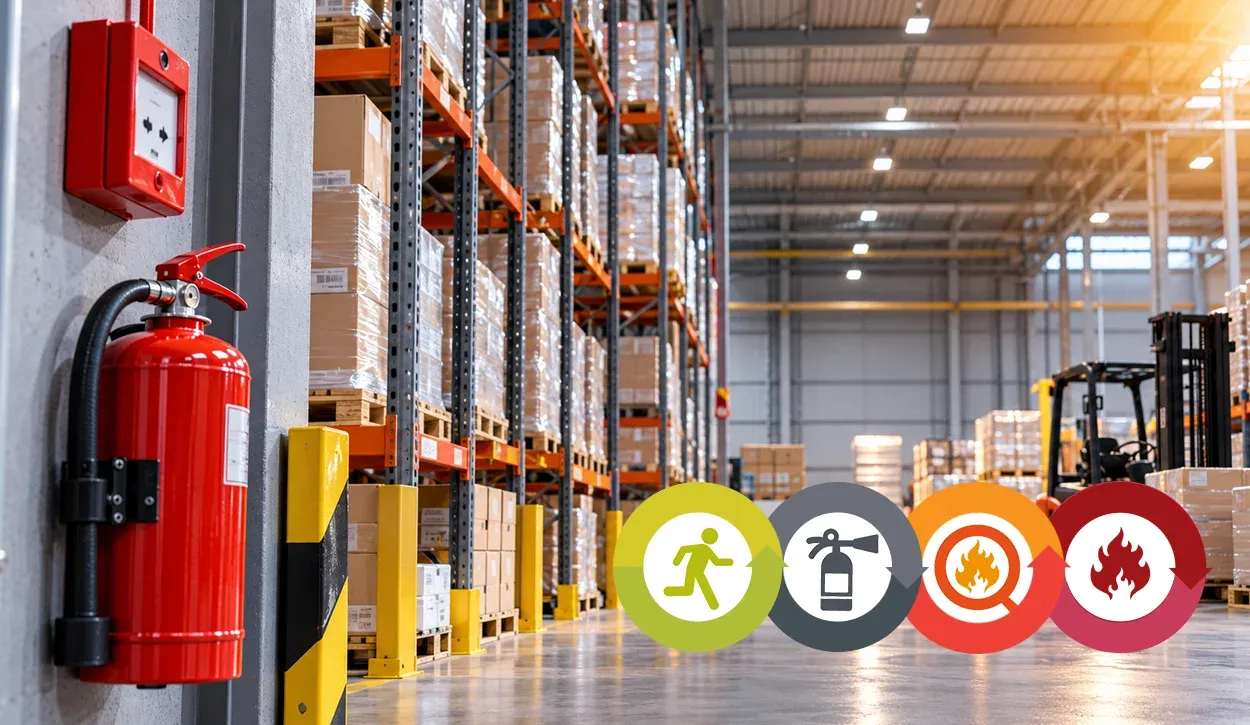
Recent UK fire statistics show that fire remains a significant threat to commercial and industrial premises. Fire and Rescue Services attended approximately 6,665 fires in non-residential buildings across England during 2024/25, highlighting the importance of effective fire prevention and protection measures.
The Growing Challenge of Warehouse Fires
Warehouse fires are particularly challenging because they can develop rapidly and spread across large floor areas. High-density storage systems, pallet racking, cardboard packaging and stored goods can create substantial fuel loads, making fires difficult to contain.
Government fire safety guidance recognises factories and warehouses as premises requiring fire risk controls that reflect the nature of their operations and stored materials.
Several major warehouse fires reported across the UK in recent years have required significant firefighting resources, caused extensive property damage and resulted in lengthy business disruption. These incidents highlight how quickly a routine working day can become a serious emergency when fire prevention measures are inadequate.
Common Causes of Warehouse Fires
Analysis of workplace fire incidents identifies several recurring causes and risk factors:
- Electrical Faults – Faulty wiring, overloaded circuits, damaged equipment and poorly maintained electrical installations can trigger fires.
- Battery Charging Areas – Electric forklifts, lithium-ion batteries and charging stations can introduce additional fire risks. Poor charging practices or faulty batteries may lead to overheating and ignition.
- Poor Housekeeping – Accumulated waste, cardboard packaging, plastic wrapping and other combustible materials can accelerate fire spread and increase the overall fire load.
- Hot Works – Welding, grinding and cutting can generate sparks capable of igniting nearby materials if workers do not follow appropriate precautions.
- Arson and Deliberate Fire Setting – Warehouses on isolated industrial estates may face additional risks from deliberate fire setting, particularly where security measures are inadequate.
The Impact on Businesses
The effects of a warehouse fire often extend far beyond the immediate damage to the building. Businesses may face:
- Loss of stock and equipment
- Operational downtime
- Supply chain disruption
- Increased insurance costs
- Regulatory investigations
- Reputational damage
- Employee displacement
Major workplace fires can result in substantial financial losses, and some businesses struggle to recover from a significant incident. The extent of the damage depends on the circumstances, available protection measures and business continuity arrangements.
Why Prevention Is Essential
Many warehouse fires are preventable. Effective fire safety management combines regular maintenance, fire risk assessments, staff training and robust emergency planning.
Businesses that take a proactive approach can reduce the likelihood of fire and help limit its impact should an incident occur.
Warehouse Fire Safety Checklist
Use this practical checklist to review your warehouse fire safety arrangements, identify potential gaps and support ongoing fire prevention. The measures your premises need will depend on your fire risk assessment, building design and applicable requirements.
1. Fire Risk Assessment
- Complete a suitable and sufficient fire risk assessment and review it regularly.
- Document significant findings and relevant fire safety arrangements.
- Update the assessment following significant operational or building changes.
- Identify higher-risk areas clearly.
- Implement and monitor appropriate control measures.
2. Fire Alarm Systems
- Provide a suitable fire detection and alarm system where the fire risk assessment identifies the need.
- Carry out routine alarm testing in accordance with the applicable system requirements.
- Arrange professional servicing at the appropriate intervals.
- Report and repair faults promptly.
- Ensure staff understand alarm signals and emergency procedures.
3. Emergency Lighting
- Provide suitable emergency lighting where required, including relevant escape routes.
- Complete routine functionality checks at the appropriate intervals.
- Arrange the required annual full-duration test and appropriate specialist maintenance.
- Maintain accurate testing and servicing records.
4. Fire Extinguishers
- Provide suitable fire extinguishers for the identified hazards.
- Position extinguishers in appropriate, accessible locations.
- Arrange maintenance in accordance with applicable standards and manufacturer instructions.
- Provide suitable training for staff who may need to use extinguishers.
- Keep access to fire extinguishers clear at all times.
5. Fire Doors and Escape Routes
- Check that fire doors close correctly and remain in good condition.
- Do not wedge fire doors open unless suitable approved hold-open arrangements allow it.
- Clearly identify escape routes.
- Keep emergency exits and escape routes unobstructed.
- Ensure emergency exit signage remains visible and suitable.
6. Electrical Safety
- Arrange appropriate inspection and testing of fixed electrical installations.
- Inspect and test portable electrical equipment according to assessed risks.
- Remove damaged cables and unsafe equipment from use until competent personnel can repair or replace them.
- Keep electrical distribution boards accessible and clearly labelled.
- Manage battery charging areas safely, including appropriate charging procedures and fire precautions.
7. Warehouse Storage
- Inspect pallet racking and storage systems regularly.
- Maintain suitable clearance around lighting, heaters and other potential ignition sources.
- Keep aisles and access routes clear.
- Store flammable and combustible materials appropriately.
- Remove accumulated waste frequently.
8. Housekeeping Standards
- Remove unnecessary cardboard and packaging promptly.
- Position waste skips and external storage safely, considering the risk of fire spreading to the building.
- Control combustible waste and prevent unnecessary accumulation.
- Maintain a clean, organised working environment.
9. Staff Fire Training
- Provide suitable fire safety induction training for employees.
- Appoint and train an appropriate number of fire wardens or marshals where the emergency arrangements require them.
- Provide refresher training at intervals appropriate to the workplace and its risks.
- Ensure staff understand alarm signals, evacuation procedures and assembly arrangements.
- Conduct fire drills at suitable intervals and review any issues identified.
10. Fire Maintenance Arrangements
- Arrange appropriate fire alarm inspection and maintenance.
- Arrange emergency lighting inspection, testing and maintenance.
- Schedule fire extinguisher servicing.
- Arrange suitable fire door inspections and necessary repairs.
- Maintain accurate records of servicing, testing and corrective work.
11. Business Continuity Planning
- Document an appropriate emergency response plan.
- Keep emergency contact lists up to date.
- Establish recovery plans for critical operations.
- Back up important business data securely.
- Review insurance cover regularly to ensure it remains appropriate for your operations.
Protecting your warehouse starts with understanding the risks, maintaining your fire safety systems and ensuring your team knows how to respond in an emergency.
Our team aims to deliver expert customer care, from site survey and installation through to ongoing maintenance. We focus on developing lasting relationships with partners you can trust to help protect your people and premises while supporting your organisation in meeting its fire safety and legal responsibilities.
We are CHAS accredited, BAFE registered, SSAIB certificated, hold BS EN ISO 9001:2015 certification and have Constructionline approval. These credentials reflect our commitment to delivering professional fire, security and safety services in accordance with relevant industry requirements and applicable British Standards.
#SSSystems #WarehouseFireSafety #WarehouseFires #FireSafety #FirePrevention #FireProtection #FireRiskAssessment #WorkplaceSafety #IndustrialFireSafety #CommercialFireSafety #FireAlarmSystems #FireDetection #EmergencyLighting #FireExtinguishers #FireSafetyTraining #FireWardenTraining #ElectricalSafety #WarehouseSafety #HealthAndSafety #FireSafetyCompliance #BusinessContinuity #RiskManagement #FireSafetyAwareness #ProtectingBusinesses
