
Key Changes & Recommendations For Fire Alarm Signalling Compliance
In the United Kingdom, the latest update to fire alarm signalling and system compliance has now come into force via the revised standard BS 5839 1:2025. The revision replaced the 2017 edition. This update includes significant changes around alarm transmission times, system design, documentation, maintenance, and overall signalling performance, meaning organisations responsible for fire safety need to act swiftly.
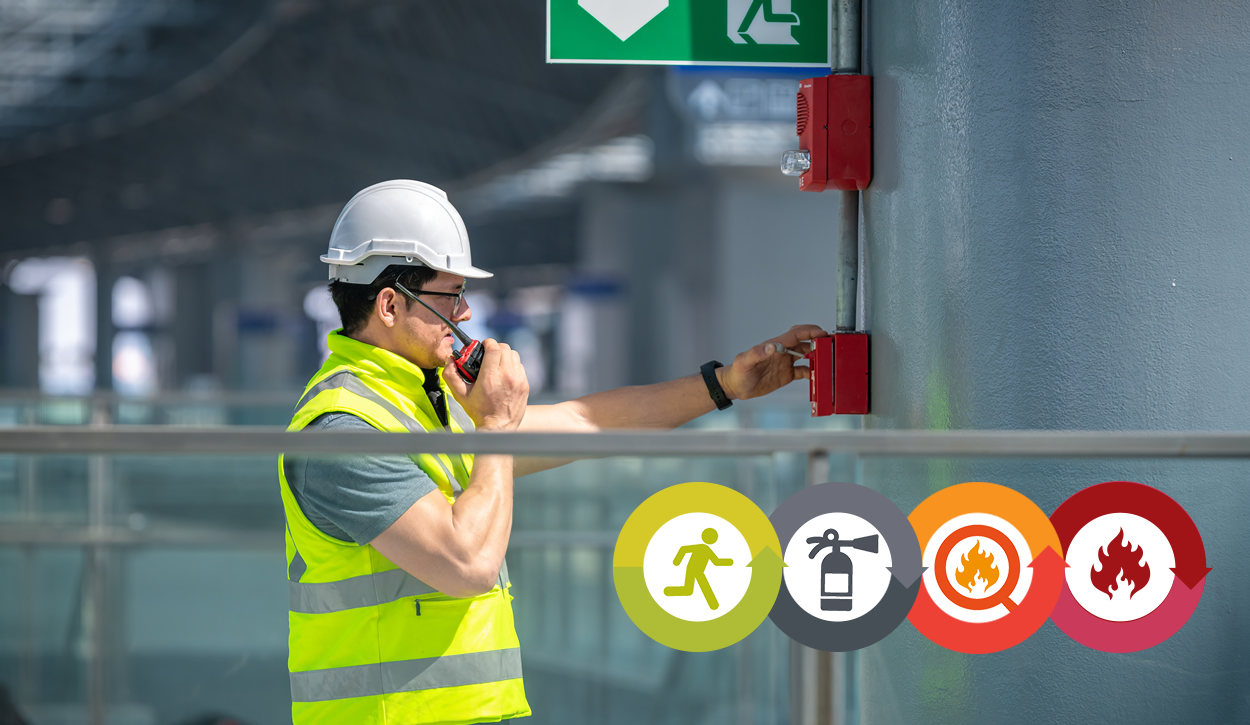
Here are some of the standout updates of major changes in signalling & system requirements
- The new standard mandates specific maximum time frames for transmission of fire alarm signals and fault signals from fire detection systems to an Alarm Receiving Centre (ARC) or central monitoring point. For Category L systems (life safety coverage) the requirement is: alarm signal within 90 seconds and a “catastrophic transmission equipment failure” indicated within 3 minutes. For Category P systems (property protection) it is an alarm signal within 120 seconds and failure indication within 31 minutes.
- A new emphasis on correct and updated zone plans (building layouts showing fire alarm zones) is introduced. The absence of a zone plan in larger or sleeping accommodation buildings is now treated as an “unacceptable variation”.
- Enhanced detection coverage: sleeping accommodation must now have smoke detectors rather than relying on heat detectors. Also, certain “low risk” areas (for example lift shafts, flues, lobbies) have revised guidance on detection sensor placements.
- Maintenance and documentation requirements are strengthened: The servicing window for six monthly maintenance is clarified to allow 5–7 months between visits. System logbooks must record all variations (previously only major ones) from the standard.
- Remote monitoring, connectivity & cybersecurity: The standard now acknowledges the move toward IP based signalling and includes requirements for remote access controls and cyber security protections of signalling paths.
Why This Matters
- These signalling time requirements mean that simply linking a fire alarm to a monitoring centre is not enough—the system must meet the specified performance thresholds.
- For premises with sleeping risk (hotels, care homes, student accommodation), the detection and signalling changes significantly raise the expectation of early warning and immediate monitoring.
- From a legal and compliance standpoint: while BS 5839 1 is not itself statutory law, it is a widely recognised code of practice cited in fire safety and building regulation contexts. Failing to adopt its recommendations (especially after the 2025 revision) may increase risk in enforcement or insurance contexts.
- For building owners, facilities managers, system installers and maintainers: these changes affect specification, servicing, documentation, and auditing practices.
Recommendations for Duty‐Holders in the UK
If you are responsible for non domestic premises fire alarm systems (offices, care homes, hotels, schools, factories) you should consider the following actions:
- Review your fire alarm system’s documentation – check that your design, installation, commissioning and maintenance certificates refer to BS 5839 1:2025 rather than the withdrawn 2017 edition.
- Check your system’s signalling path – especially if you have an alarm receiving centre (ARC) connection. Ensure that the system can meet the new maximum transmission times (90 s for Category L, 120 s for Category P).
- Audit detection coverage – especially in sleeping accommodation and escape routes: ensure smoke detectors are used (where required) and areas such as lift shafts, flues and ancillary lobbies are assessed under the new rules.
- Update zone plans and logbooks – ensure your zone plan is current, correctly located next to the fire panel, and that any system variations (for example non standard features) are documented.
- Arrange for servicing that meets new expectations – six monthly servicing remains the standard, but the acceptable window is now 5–7 months between visits. Also check the control panel clock is correct, remote indicator devices are checked, redundant detectors removed etc.
- Ensure competence & training – Engineers, installers and maintainers should be familiar with the updated standard, and organisations should ensure training and continuing professional development cover the changes.
- Inform your risk assessment and insurance providers – You may need to revise risk assessments, update contracts or confirm that your insurance remains valid under the new standard.
Final Thoughts
The adoption of BS 5839 1:2025 marks a substantial step change in fire alarm signalling expectations in the UK. It places a sharper focus not just on detector coverage and alarm sounds, but on how quickly the system signals, how changes are documented, and how monitoring and connectivity are managed. For those responsible for fire safety systems, the message is clear: it’s time to act, update, and verify compliance.
Our team aims to deliver expert customer care, from site survey to completion through to ongoing maintenance. Developing a lasting relationship with a partner you can trust to protect you and your premises whilst ensuring your businesses and organisations are fully compliant to the latest legal requirements. We are CHAS accredited, BAFE registered and, SSAIB certificated with BS EN ISO 9001:2015 & Construction Line approved, so your organisation can be assured that all our fire, security and safety equipment is designed, supplied, installed and maintained in accordance with the latest British Standards.
#FireAlarms #FireRiskAssessment #FireSafetyEquipment #FireAlarmMaintenance #AccessControl #CCTV #SSSystems
