
Do You Need Emergency Lighting In Your Premises Or Location?
Emergency lighting is a legally required safety system in the UK that ensures safe evacuation, visibility of escape routes, and identification of fire safety equipment during a mains power failure.
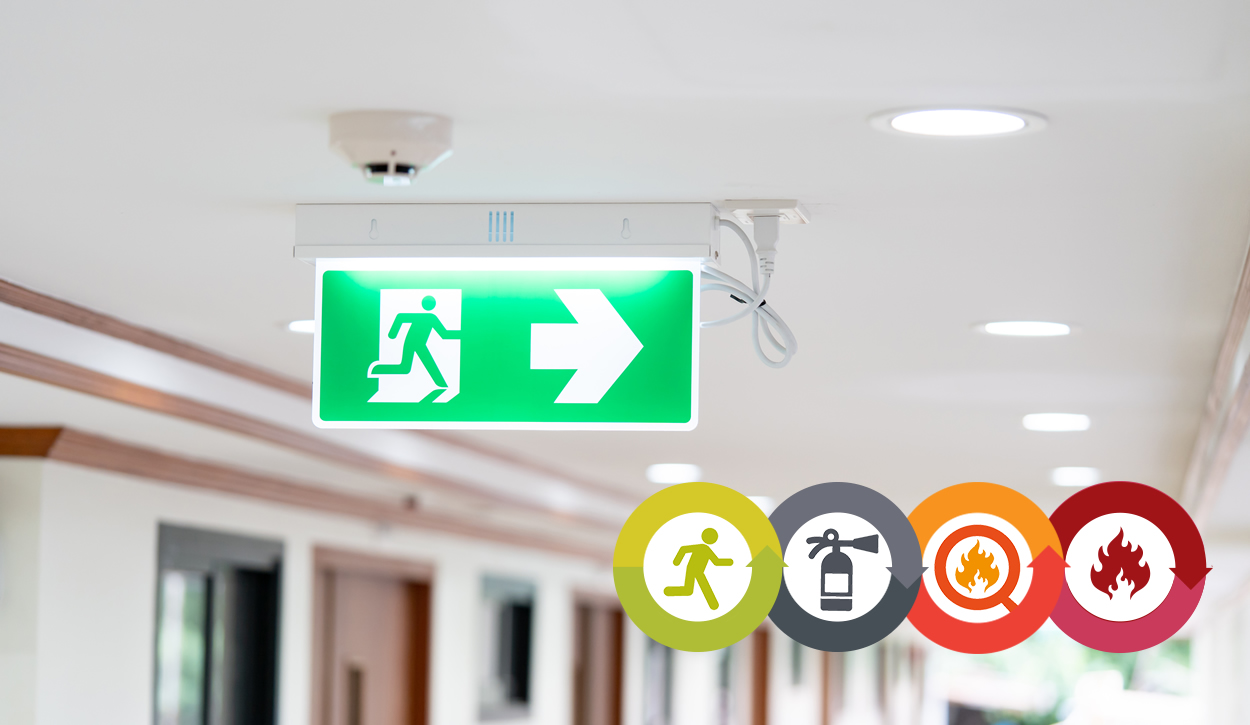
Commercial premises with high footfall, including retail stores, shopping centres, cinemas, airports, hotels, and healthcare facilities—are particularly reliant on effective emergency lighting due to the increased complexity of evacuating large numbers of people safely.
Emergency lighting systems can be categorised into three main types: escape route lighting, which illuminates corridors, stairwells, and exit paths; open area (anti-panic) lighting, designed to prevent panic and guide occupants in large open spaces; and high-risk task area lighting, which enables the safe shutdown of dangerous machinery or processes. Systems may be maintained, remaining illuminated at all times, or non-maintained, activating only during power failure. All systems must typically provide a minimum of three hours of backup, allowing sufficient time for evacuation and safe management of high-risk areas.
From a business perspective, failure to comply with emergency lighting regulations carries significant risks, including enforcement actions, fines, criminal liability, and potential invalidation of insurance. Monthly and annual testing is required along with records maintained in a logbook. Many high-footfall commercial sites now employ LED lighting and smart monitoring systems for lower maintenance, energy efficiency, and automated compliance reporting.
Designing emergency lighting in high-footfall spaces requires careful consideration of crowd density, escape widths, travel distances, obstacles, dead-end corridors, and accessible routes for disabled occupants. In retail, hospitality, and transport hubs, professional photometric design is often essential to ensure adequate coverage and compliance. Overall, emergency lighting is not just a regulatory requirement but a critical component of risk management, safeguarding lives, protecting reputation, and supporting insurance and operational continuity in commercial properties.
Do I need Emergency lighting?
Yes, you likely need emergency lighting—but whether it’s legally required depends on the type of building, its use, and local regulations.
When Emergency Lighting Is Required
- Commercial Buildings (e.g. offices, shops, warehouses) – Required by building codes and fire safety regulations and Ensures safe evacuation in case of power failure.
- Public Buildings (e.g. schools, hospitals, cinemas, hotels) – Mandatory, as these spaces often accommodate large numbers of people.
- Multi-Occupancy Residential Buildings (e.g. apartments, dormitories) – Required in common areas like corridors, staircases, and exits.
- Industrial Facilities – Needed in areas where dangerous equipment is used or where workers may be at risk during blackouts.
- Places of Assembly (e.g. churches, sports arenas) – Required due to high occupancy and risk in emergencies.
Why You Need Emergency Lighting
- Safe Evacuation – Guides occupants to exits in the event of fire, blackout, or emergency.
- Legal Compliance – Required by building codes (BS 5266-1 & BS EN 1838) and non-compliance can lead to fines or shutdowns.
- Minimises Panic – Reduces risk of injury during evacuation.
- Supports Fire Services – Helps firefighters and emergency responders navigate the building.
- Business Continuity – Ensures safety systems (e.g., signage, alarms) stay visible during power loss.
