
Multi-Discipline Engineers Reshape The Fire & Security Sector
The fire and security engineering sector is undergoing a quiet but significant shift, as employers increasingly favour multi-discipline engineers over single-discipline specialists to manage the growing complexity of modern building systems. Traditionally, engineers have focused on a single field, specialising either in fire detection and alarm systems or in security and access control. While this deep technical expertise remains valuable, industry leaders say that isolated working is becoming a limiting factor in an era of integrated building design.
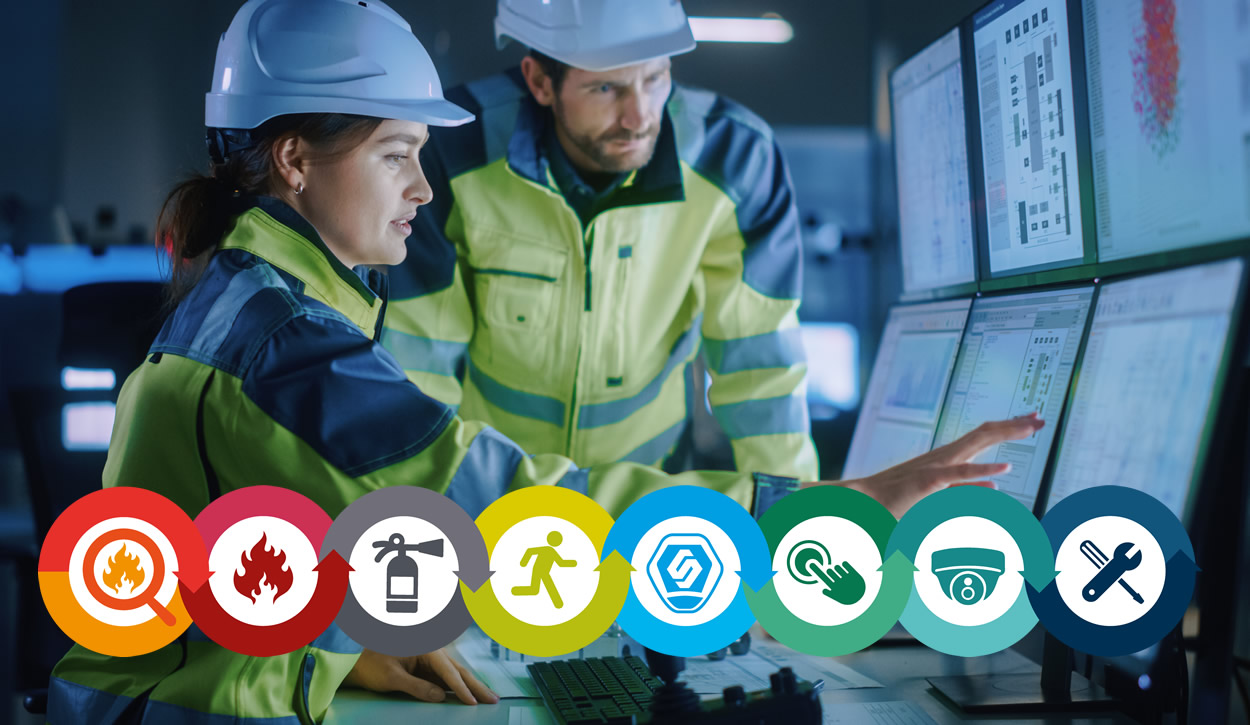
Single-discipline engineers are typically highly knowledgeable within their own domain and are often responsible for ensuring compliance with specific standards, such as BS 5839 for fire alarms or EN 50132 for security systems. However, their work is usually confined to one set of regulations and one type of system.
“As buildings become smarter, systems no longer operate in isolation,” said one senior consultant. “Fire alarms now interact with access control, lifts, CCTV and building management systems. If engineers only understand one discipline, important risks can be missed.”
Because single-discipline engineers may lack insight into how fire and security systems affect each other, coordination between multiple teams is often required. Different engineers may interpret standards in different ways, potentially leading to inconsistencies in design, delays on site and higher long-term costs for clients.
In contrast, multi-discipline engineers are trained across both fire and security systems and are increasingly seen as central figures in modern projects. Their ability to design interoperable systems — such as ensuring that fire alarms correctly trigger door releases and lift controls — allows for a more cohesive, systems-based approach. These engineers are often able to take on lead or coordination roles, supporting projects from early design through to commissioning and ongoing maintenance. As a result, they are in high demand in consultancies, design-and-build firms and large commercial developments.
“With one engineer overseeing both disciplines, you get consistent application of standards, fewer interfaces between teams and much clearer accountability,” said an industry recruiter. “That leads to faster delivery and better-performing systems.”
The financial rewards reflect this shift. Multi-discipline engineers typically command higher salaries due to their versatility, broader knowledge base and leadership potential. However, the role also requires continuous learning, as engineers must remain current with both fire regulations and evolving security technologies. Environmental considerations are also driving change. Experts say that multi-discipline engineers tend to have a lower environmental impact because they can design systems holistically, reducing unnecessary duplication of equipment, minimising material and energy use, and planning for sustainable maintenance and end-of-life disposal.
By integrating systems efficiently and aligning designs with green building standards, multi-discipline engineers can help organisations meet both safety and sustainability targets. While single-discipline engineers will continue to play an important role where niche expertise is required, the trend is clear. As buildings become more complex and more interconnected, the future of the sector increasingly belongs to engineers who can see — and design — the whole system, not just one part of it.
Our team aims to deliver expert customer care, from site survey to completion through to ongoing maintenance. Developing a lasting relationship with a partner you can trust to protect you and your premises whilst ensuring your businesses and organisations are fully compliant to the latest legal requirements. We are CHAS accredited, BAFE registered and, SSAIB certificated with BS EN ISO 9001:2015 & Construction Line approved, so your organisation can be assured that all our fire, security and safety equipment is designed, supplied, installed and maintained in accordance with the latest British Standards.
#FireAlarms #FireRiskAssessment #FireSafetyEquipment #FireAlarmMaintenance #AccessControl #CCTV #SSSystems
